Picture a world where managing your A1C numbers isn't a daily battle filled with frustration and confusion: but rather, a clear roadmap of actionable strategies that fit seamlessly into your life. Imagine yourself no longer overwhelmed by conflicting advice, but instead empowered with evidence-based approaches that actually move the needle on your glucose control. That's not just wishful thinking. It's entirely possible with the right framework.
I’m Bill McArthur, MD—a board-certified family medicine physician who finished residency in 2000—and I’ve spent more than 20 years working across inpatient, outpatient, and nursing home primary care. These days, I work full-time in the emergency department, which has a funny way of keeping you grounded in what actually works in real life—under pressure, with imperfect schedules, and with people who just want a plan that’s doable.
That same long-haul clinical perspective is also the backbone of UpCup Koffee, which I co-founded alongside two other founders. When we say Physician-Founded, we’re not trying to sound fancy—we’re tying it directly to decades of taking care of real patients and learning how small, repeatable daily choices can add up. Through countless conversations with people navigating diabetes management (and plenty of deep dives into the research), I’ve distilled what consistently helps into five core strategies. These aren’t generic tips you’ll find on every diabetes website: they’re specific, actionable approaches backed by science and real-world application—and shaped by the same physician-founded mindset that guided how we built UpCup in the first place.
Point 1: Master Your Carbohydrate Threshold
Here's the thing: not all bodies process carbohydrates the same way. Your neighbor might thrive on 150 grams of carbs per day while you need to stay closer to 100 to maintain stable glucose levels. This isn't failure on your part. It's simply your unique metabolic fingerprint.
The most critical factor in glucose management is understanding your personal carbohydrate tolerance. Rather than following a one-size-fits-all approach, work with your healthcare team to identify the specific amount that keeps your numbers in range. Some people find success with Mediterranean or DASH diets, while others benefit from lower-carbohydrate approaches or the simple plate method.

What matters most isn't the label on the diet: it's consistency and personalization. Even modest reductions in carbohydrate intake, when tailored to your body's needs, can significantly improve A1C numbers. Consider tracking your post-meal glucose response to different carbohydrate amounts. This data becomes your roadmap, showing you exactly where your sweet spot lies.
Point 2: Reimagine Your Meal Architecture
The what matters, but the how and when matter just as much. Think about meal composition as building a house: you need a solid foundation before adding the walls and roof. That foundation is protein, nonstarchy vegetables, and healthy fats. The carbohydrates? They're more like the finishing touches.
Each meal should be thoughtfully constructed: a palm-sized portion of protein, a generous serving of nonstarchy vegetables, a source of healthy fat, and then your carbohydrate serving. This architecture creates a metabolic buffer that prevents glucose spikes and keeps you satisfied longer.
Here's a fascinating strategy many people overlook: meal timing and distribution. Research shows that high-carbohydrate breakfasts can set you up for blood sugar rollercoasters throughout the day. Instead, consider splitting breakfast into two smaller meals: perhaps eggs and vegetables at 7 AM, then a small serving of fruit or whole grains mid-morning. This approach produces dramatically better glucose levels throughout the day.
Additionally, frontload your carbohydrates. Eat most of them earlier in the day rather than saving them for dinner. Your body's insulin sensitivity is typically highest in the morning and gradually decreases as the day progresses: work with this natural rhythm, not against it.
Point 3: Practice Strategic Food Sequencing
What if the order in which you eat your meal matters as much as what's on your plate? Emerging research suggests something remarkable: eating your protein and vegetables first, then waiting about 30 minutes before consuming carbohydrates, can significantly moderate glucose spikes and reduce overall glycemic variability.
Picture yourself sitting down to dinner. Instead of mixing everything together or starting with bread, you begin with your grilled chicken and roasted broccoli. You eat slowly, savoring each bite. Thirty minutes later, you add the quinoa or sweet potato. This simple sequencing creates a physiological advantage: the protein, fat, and fiber from the first foods you consume slow gastric emptying and moderate the glucose response to the carbohydrates that follow.

This isn't about rigid rules or taking the joy out of eating. It's about working intelligently with your body's digestive processes. Many people find this approach surprisingly easy to implement and appreciate how it naturally reduces portion sizes of higher-carb foods without feeling restricted.
Point 4: Move After You Eat
Your muscles are metabolic powerhouses: and they're waiting to help you manage your glucose. Walking for 30-45 minutes starting about 30 minutes after eating effectively blunts post-meal glucose surges. But here's where it gets even more interesting: you don't need long workouts to see results.
Short-duration, high-intensity exercise can be remarkably effective. Just 12 minutes of resistance training or 15 minutes of stair climbing after meals can produce similar or even better results than longer moderate-intensity walks. The key is consistency. A brief post-meal movement ritual, practiced regularly, compounds into significant A1C improvements over time.
Consider what movement feels sustainable for you. Maybe it's a walk around your neighborhood after dinner. Perhaps it's a quick bodyweight circuit in your living room. Or climbing the stairs in your office building after lunch. The best exercise is the one you'll actually do: so choose activities you genuinely enjoy or can seamlessly integrate into your daily routine.
This is where I've found my morning coffee ritual with UpCup Koffee makes a difference. And to be clear—when I connect coffee to habits and metabolism, it’s coming from a very specific place: I finished residency in 2000, spent decades in inpatient, outpatient, and nursing home primary care, and I now work full-time in the emergency department. That kind of experience teaches you to value routines that are simple, repeatable, and realistic.
So when we say UpCup is Physician-Founded, we mean it’s tied directly to that long-standing clinical lens. From my perspective, the goal is simple: remove the avoidable variables, keep what matters, and make the daily routine more predictable—because predictability is power when you're trying to improve A1C over time.
As founders, we chose functional ingredients like Lion's Mane mushroom extract, NAD+, and Shilajit to support sustained energy without the crash: Premium Coffee with Functional Benefits that makes post-meal movement feel more energizing rather than effortful. And we built it around a physician-founded philosophy that aligns with a healthy metabolic lifestyle—keep the ritual consistent, avoid the “mystery extras” people often tolerate in typical coffee routines, and prioritize a cleaner, steadier experience you can actually build habits around.
In real life, that can look simple: you drink your coffee, you feel more even-keeled, and you're more likely to follow through on the small things that move A1C in the right direction—an after-breakfast walk, a smarter lunch, fewer afternoon detours into sugar and snacks. It's not a shortcut. It's a supportive rhythm—one more intentional choice that makes the rest of the plan easier to live.
Point 5: Harness the Power of Premeal Walks
Here's a strategy that surprises many people with its effectiveness: long premeal walks of 45-60 minutes, particularly before breakfast. This approach is especially powerful for managing stubborn morning glucose elevations.
Imagine yourself waking up to an elevated fasting glucose reading: frustrating, right? Within 2-4 days of implementing a consistent premeal walking routine, many people see those morning numbers normalize. The mechanism is fascinating: extended fasting exercise depletes muscle glycogen stores, increasing insulin sensitivity and enhancing your body's ability to shuttle glucose out of the bloodstream.
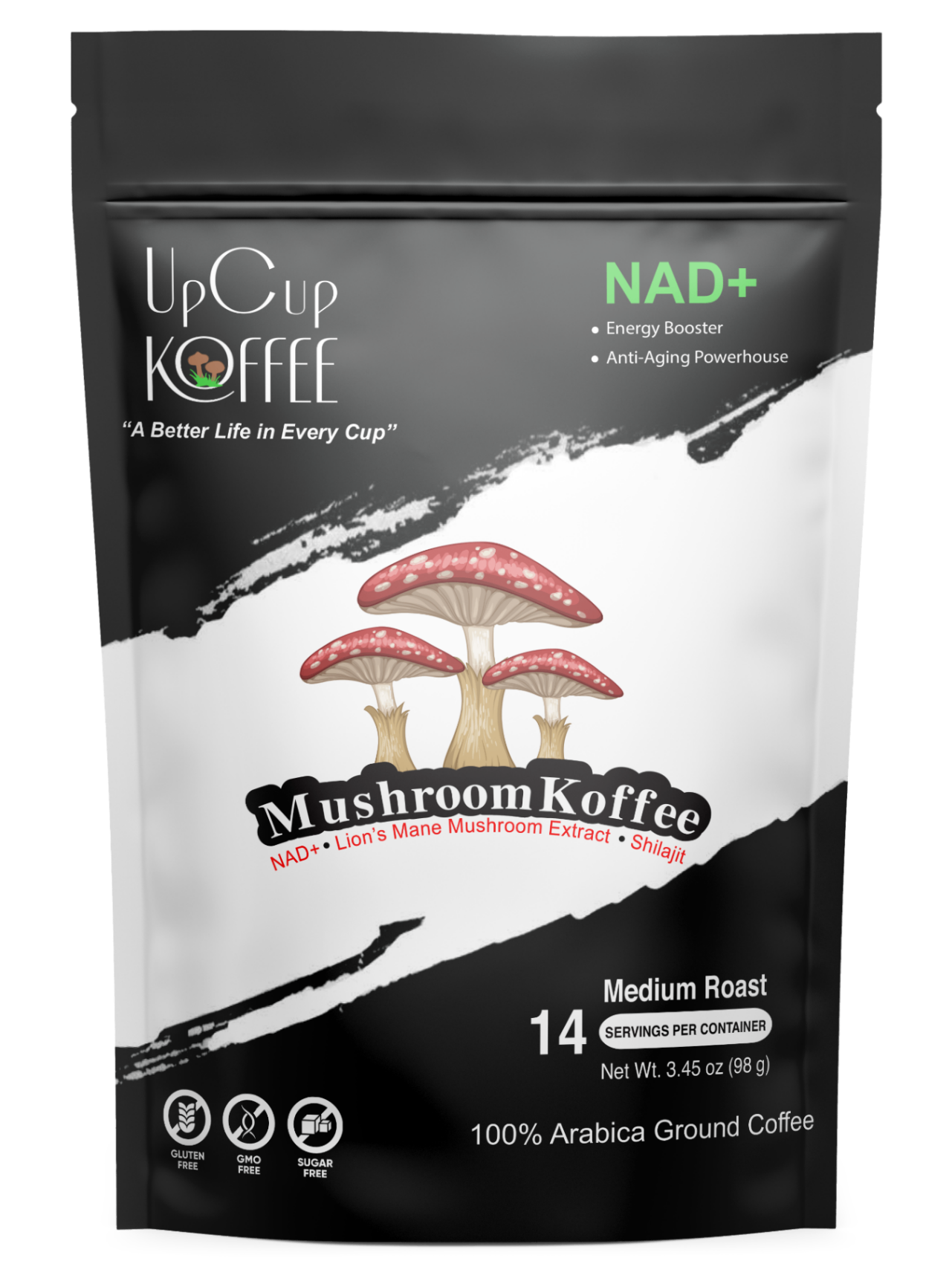
This doesn't mean you need to wake up at 5 AM for a march through the darkness. Find what works for your schedule. Maybe it's a brisk walk to a local coffee shop for your UpCup Koffee (and yes—UpCup being Physician-Founded is personal for me, because it’s rooted in the clinical perspective I’ve built since finishing residency in 2000, across inpatient, outpatient, and nursing home primary care, and now full-time emergency medicine). Perhaps it's walking while listening to an audiobook or podcast. The key is duration and consistency rather than intensity.
Bringing It All Together
These five strategies aren't meant to overwhelm you: they're meant to empower you with specific, actionable approaches that work synergistically. You don't need to implement all five perfectly starting tomorrow. Begin with one that resonates most strongly. Master it. Then add another.
Remember, diabetes management is deeply personal. Your ideal carbohydrate threshold, meal timing, and exercise routine will be uniquely yours. These strategies provide the framework, but you're the architect of your own health journey. Work closely with your healthcare team to tailor these approaches to your individual needs, medications, and circumstances.

The beautiful thing about focusing on lifestyle factors: nutrition timing, food sequencing, strategic movement: is that they work with your body's natural processes rather than against them. They're not about deprivation or punishment. They're about understanding the intricate dance between food, movement, and metabolism, then choreographing that dance in a way that serves your health goals.
Your A1C numbers are more than just a lab value; they're a window into your metabolic health and a predictor of long-term wellbeing. By implementing these five strategies consistently, you're not just improving a number. You're investing in your energy, your vitality, and your future. That's a journey worth taking, one intentional choice at a time.