Picture yourself standing at the base of a towering mountain range, where ancient rocks hold secrets formed over thousands of years. Deep within those geological formations, something remarkable develops, a dark, resinous substance that traditional healers have treasured for millennia. This is shilajit, and if you've never heard of it, you're about to discover why this mineral-rich marvel is capturing the attention of wellness enthusiasts everywhere.
The name itself tells a story: "shilajit" translates from Sanskrit as "destroyer of weakness." It's a bold claim, isn't it? But before we get swept up in ancient mystique, let's ground ourselves in what shilajit actually is and why it matters for your modern wellness journey. As a physician-founded organization, we're fascinated by compounds that bridge traditional wisdom and contemporary understanding, and shilajit sits right at that intersection.
What Exactly Is This Mountain Mystery?
Shilajit forms naturally as a dark, tacky exudation that seeps from mountain rocks, particularly in the Himalayan region. Think of it as nature's slow-cooked concentrate, plant matter and minerals compressed over centuries, transformed by geological pressure and microbial activity into something entirely unique. The result? A dense, tar-like substance that's essentially a concentrated repository of minerals and bioactive compounds.
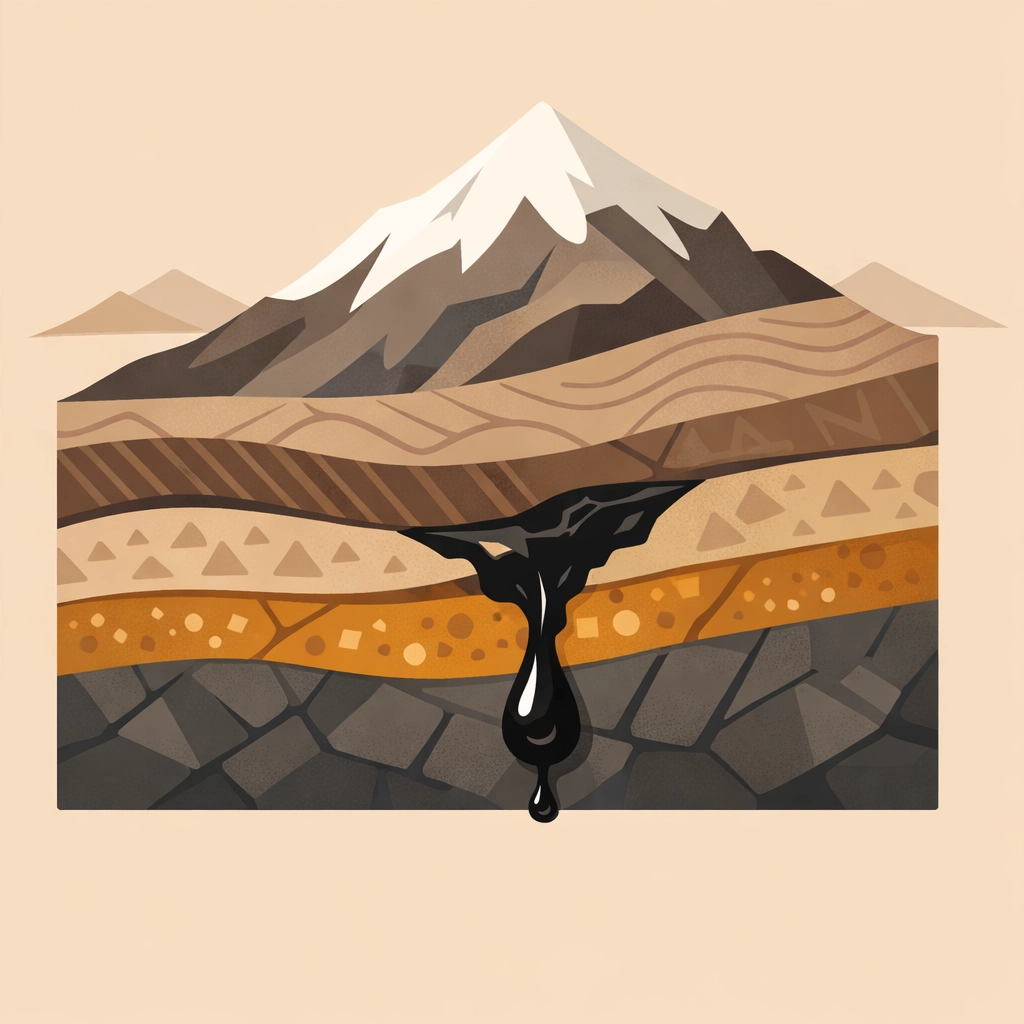
Here's the thing, when you hear "mountain tar," you might not immediately think "nutritional powerhouse." Yet that's precisely what makes shilajit so fascinating. This ancient substance isn't just a collection of minerals; it's a complex matrix where these nutrients exist in forms your body can actually recognize and utilize. It's the difference between having ingredients scattered across your counter versus having them precisely measured and ready to combine into something nourishing.
The Fulvic Acid Factor: Your Body's Nutrient Taxi Service
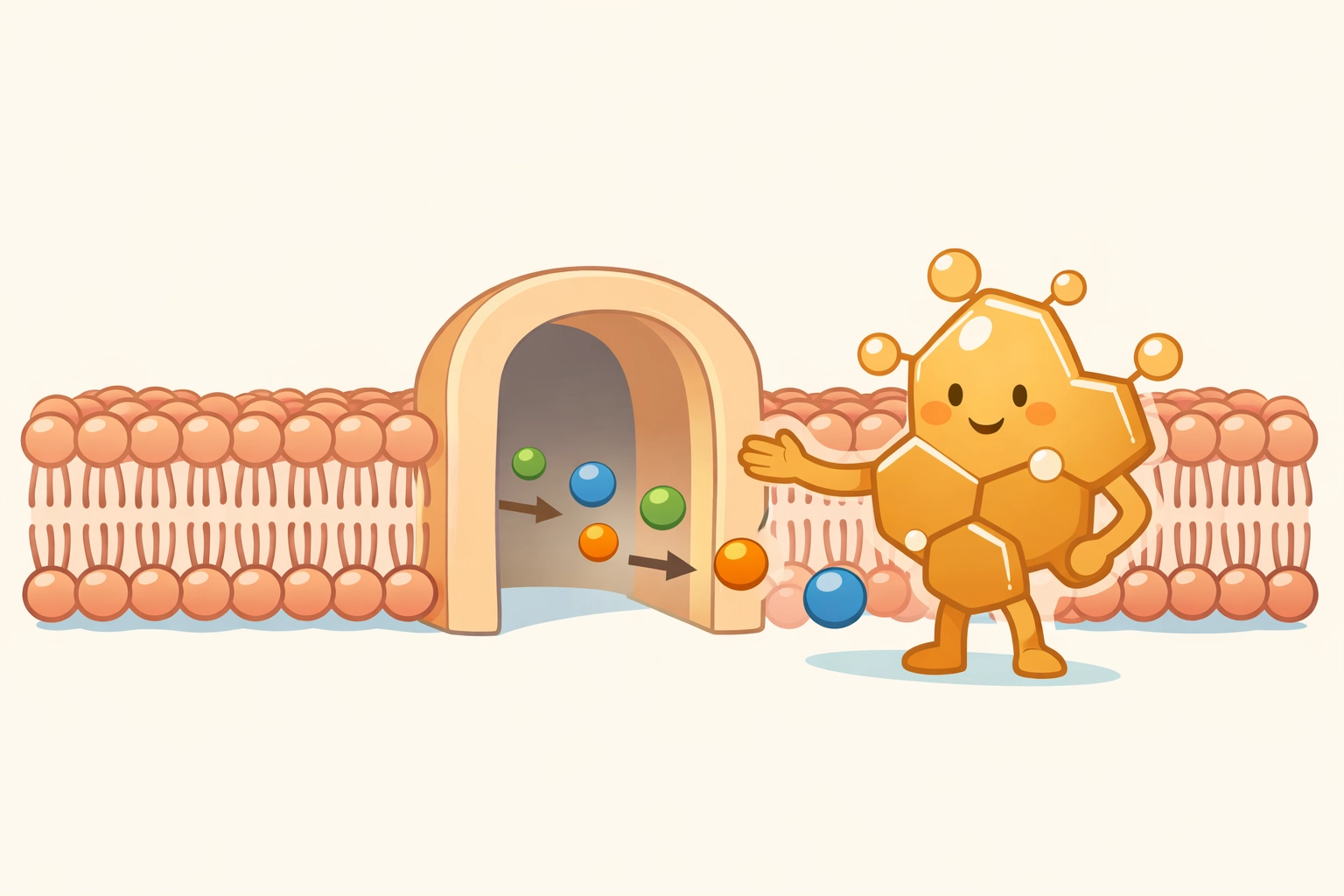
At the heart of shilajit's potential lies fulvic acid, and this is where things get interesting. Imagine your cells as exclusive clubs with strict doormen. Most nutrients struggle to get past security. Fulvic acid? It's like the VIP pass that escorts nutrients right through those cellular doors.
Fulvic acid acts as a natural transporter, enhancing bioavailability, a fancy term that simply means how well your body can absorb and use the nutrients you consume. You've probably experienced this frustration: taking supplements that promise the world but leave you wondering if they're just creating expensive urine. The bioavailability problem is real, and it's why the form of a nutrient matters as much as the presence of that nutrient.
This is where shilajit's fulvic acid content becomes compelling. It doesn't just deliver minerals; it helps optimize how your mitochondria, those tiny energy factories inside your cells, perform their work. Consider it less like adding fuel to your tank and more like upgrading the efficiency of your entire engine.
A Mineral Treasure Trove
Beyond fulvic acid, shilajit contains an impressive array of minerals that your body needs for countless functions. We're talking about zinc, which plays roles in immune function and hormone balance. There's calcium, fundamental for bone density and cellular signaling. Potassium helps maintain fluid balance and supports muscle function, yes, including that most important muscle, your heart.
But the mineral story doesn't end there. Shilajit also contains trace elements that often get overlooked in our modern diets: magnesium, iron, copper, and others. Each plays specific roles in the intricate dance of human metabolism. Think of these minerals as the supporting cast in a play, they might not get top billing, but the show falls apart without them.
What makes this particularly relevant? Our contemporary food systems, for all their convenience, often deliver us foods grown in mineral-depleted soils. That pristine apple might look perfect, but it may contain fewer micronutrients than the same apple would have decades ago. Shilajit offers a concentrated source of these essential minerals in forms that work synergistically.
Beyond Minerals: The Bioactive Bonus
Shilajit isn't simply a mineral supplement with benefits limited to filling nutritional gaps. It contains antioxidants that help neutralize free radicals, those unstable molecules that contribute to oxidative stress in your body. Picture oxidative stress like rust forming on metal; antioxidants are the protective coating that prevents that deterioration.
The substance also contains peptides and amino acids, the building blocks of protein and crucial players in tissue repair, metabolic processes, and overall cellular function. These compounds don't work in isolation; they interact with each other and with your body's existing systems in ways we're still working to fully understand.
What People Are Using It For (And What We Actually Know)
Let's have an honest conversation here. Traditionally, shilajit has been used to support energy and stamina, cognitive function, fertility, bone health, and stress management. These are compelling applications, and there's early research exploring some of these areas. A 2023 laboratory study, for instance, suggested shilajit might help slow Alzheimer's disease progression, but here's the crucial caveat: laboratory studies don't automatically translate to human benefits.
This is where we need to pump the brakes on enthusiasm. While the traditional uses are fascinating and while preliminary research shows promise, most claims about shilajit lack the robust scientific evidence we'd want before making definitive statements about its effects. As a physician-founded organization, we believe in being transparent about both the potential and the limitations of any wellness approach.
Does this mean shilajit is worthless? Not at all. It means we should approach it with informed curiosity rather than blind faith. The presence of bioavailable minerals and fulvic acid is biochemically relevant, these aren't magical ingredients, but they are compounds with established roles in human physiology.
How It's Typically Used
If you're considering adding shilajit to your wellness routine, you'll typically find it available as a resin, in capsules, or as tablets. The resin is the most traditional form, think of dissolving a small rice-grain-sized portion in warm water or tea. Capsules and tablets offer convenience and precise dosing.
Recommended doses typically range from 250mg to 1 gram daily, though it's important to start conservatively and see how your body responds. And here's a critical point: shilajit must be purified before consumption. Raw, unpurified shilajit can contain heavy metals and other contaminants, you want a product that's been tested and verified by a reputable third party.

The Bioavailability Advantage: Why This Matters for You
Let's return to the concept that makes shilajit particularly interesting: bioavailability. You could consume all the minerals in the world, but if your body can't absorb them efficiently, you're essentially sending nutrients on a one-way trip through your digestive system.
Imagine trying to water a plant with a spray bottle that mostly mists the air around it, some water reaches the roots, but most is wasted. Now imagine using a watering can with a spout that delivers water directly where it's needed. That's the potential difference proper bioavailability makes. Shilajit's fulvic acid content may help transform your nutrient intake from inefficient misting to targeted delivery.
This matters especially if you're already taking other supplements or eating nutrient-dense foods. Shilajit might enhance the absorption of nutrients from those sources, potentially making your entire nutritional approach more effective. It's not about replacing good nutrition; it's about possibly optimizing what you're already doing.
A Sensible Approach: Integration, Not Isolation
Here's what we recommend from our physician-founded perspective: view shilajit as one potential tool in a comprehensive wellness approach, not as a magic bullet that solves everything. No single supplement: no matter how mineral-rich or bioavailable: can compensate for poor sleep, chronic stress, inadequate nutrition, or lack of movement.
If you're interested in exploring shilajit, start by consulting with your healthcare provider, particularly if you're pregnant, nursing, taking medications, or managing chronic health conditions. This isn't just legal disclaimer language: it's genuinely important. Even natural substances can interact with medications or may not be appropriate for certain conditions.
When selecting a product, prioritize quality. Look for shilajit that's been third-party tested for purity and heavy metals. Check that it comes from a reputable source and that the company can provide transparency about their sourcing and purification processes. Your body deserves ingredients you can trust.
The Bigger Picture
What makes shilajit compelling isn't just its mineral content or its fulvic acid: it's what these components represent about our relationship with nutrition and wellness. We live in an era of both abundance and deficiency, where we have access to more food than ever yet struggle to obtain optimal nutrition. Soil depletion, processing methods, and hectic lifestyles all contribute to nutritional gaps that can affect how we feel and function.
Shilajit represents an attempt to address these gaps by tapping into a concentrated, naturally occurring source of minerals in highly bioavailable forms. It reminds us that sometimes ancient practices hold relevance for modern challenges: not because they're mystical, but because they're working with biological realities that haven't changed.
As you navigate your wellness journey, remember that the goal isn't perfection: it's consistent, informed choices that support your body's remarkable ability to function, repair, and thrive. Whether shilajit becomes part of that journey is a decision only you can make in consultation with your healthcare team. What matters most is approaching these decisions with curiosity, critical thinking, and compassion for yourself as you work to feel your best.
Your health is an ongoing conversation between your body, your choices, and your circumstances. May you approach that conversation with both wisdom and wonder.